
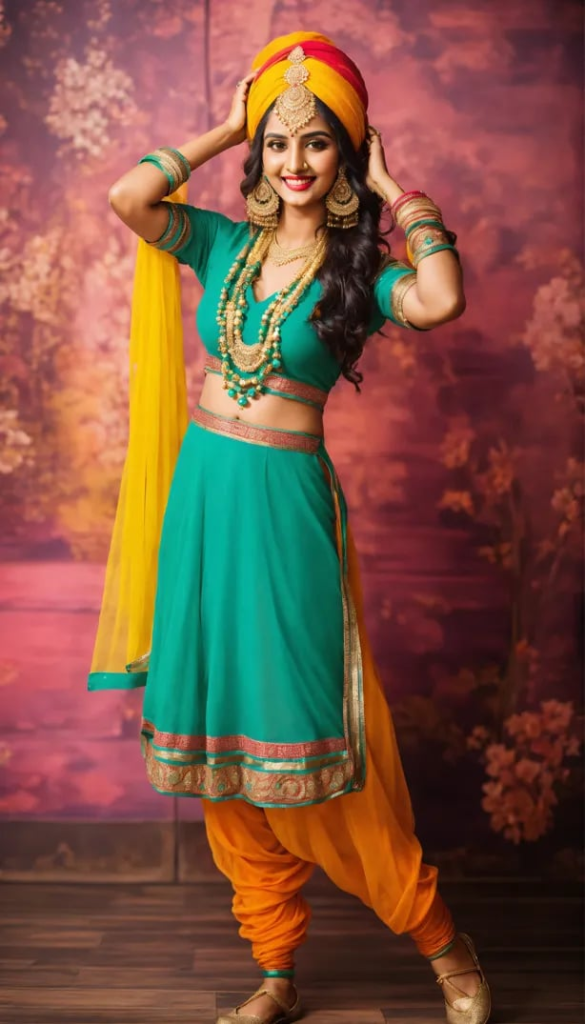
Ethnic wear is a term that refers to traditional clothing representing various cultures and regions. It is a vibrant and diverse category of attire that showcases the heritage, craftsmanship, and customs of a particular community. Ethnic wear varies from country to country, and even within a country, different regions may have their unique styles and variations. In this guide, we’ll explore the meaning of Ethnic Wear Dress, its different types, and its significance in contemporary fashion.
Understanding Ethnic Wear

Ethnic wear can be broadly defined as clothing that is tied to the cultural identity of a particular community. It often reflects traditional styles, fabrics, patterns, and accessories that have been passed down through generations. Ethnic wear is characterized by its rich colors, intricate designs, and the use of natural fabrics. This attire is not just about fashion; it also carries historical and cultural significance, often telling stories about the people who wear it.
The Significance of Ethnic Wear Dress

- Cultural Identity: Ethnic wear plays a crucial role in preserving cultural heritage. It represents the traditions, values, and history of a community. By wearing ethnic clothing, individuals express pride in their culture and connect with their roots.
- Celebration of Diversity: Ethnic wear showcases the diversity of human expression. Each region has its unique style, which contributes to the global tapestry of fashion. From intricate embroideries to vibrant colors, ethnic wear reflects the creativity and artistry of different cultures.
- Festivals and Rituals: Ethnic wear is often associated with festivals, weddings, and religious ceremonies. Special occasions call for traditional attire, which enhances the festive spirit and brings people together in celebration.
- Craftsmanship: Many ethnic garments are handmade and require skilled craftsmanship. This attention to detail not only ensures quality but also supports local artisans and promotes sustainable practices in the fashion industry.
Types of Ethnic Wear Dress
Ethnic wear varies significantly from one culture to another. Here are some popular types of ethnic clothing from around the world:
1. Indian Ethnic Wear Dress
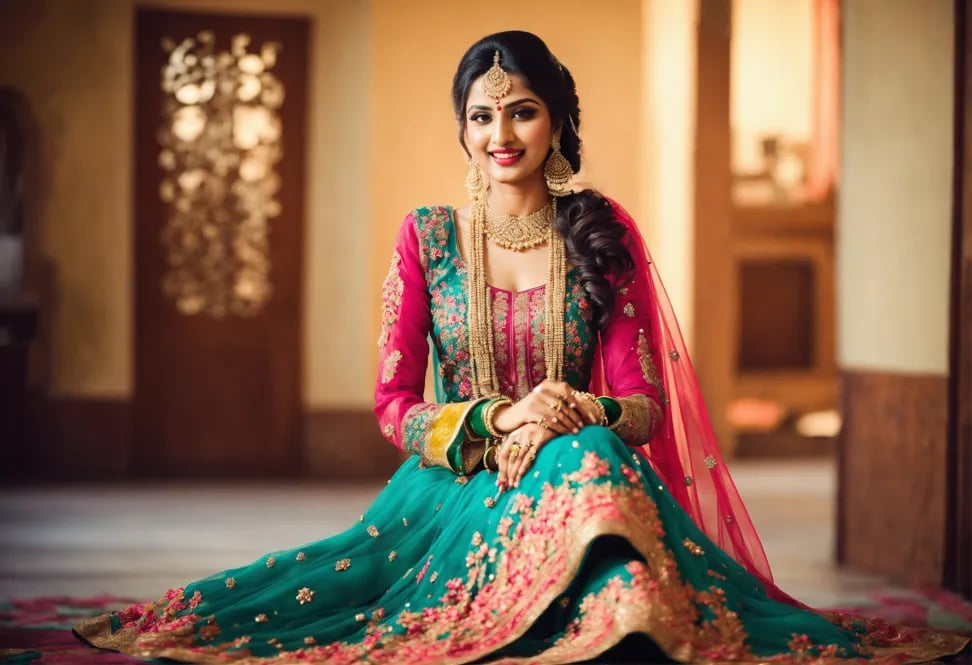
Indian ethnic wear is renowned for its diversity and vibrancy. Here are some popular forms:
- Saree: A saree is a long piece of fabric, usually six to nine yards, draped elegantly around the body. It is typically worn with a blouse and a petticoat. Sarees come in various fabrics, colors, and designs, making them suitable for both casual and formal occasions.
- Lehenga: A lehenga is a traditional skirt that is often paired with a choli (a cropped blouse) and a dupatta (a long scarf). Lehengas are popular for weddings and festive occasions, often adorned with intricate embroidery and embellishments.
- Kurta and Pajama: A kurta is a long tunic worn with pajama (loose-fitting trousers) or churidar (tightly fitted pants). This ensemble is common for men and women alike and is often worn in casual and semi-formal settings.
- Anarkali Suit: This traditional outfit features a long, flowing kurta paired with a churidar or straight pants. Anarkali suits are known for their elegance and are often worn for formal occasions.
2. Pakistani Ethnic Wear

Pakistani ethnic wear shares many similarities with Indian attire but has its unique styles:
- Shalwar Kameez: This is the national dress of Pakistan, consisting of a long tunic (kameez) and loose-fitting pants (shalwar). It is versatile and can be worn for both casual and formal occasions.
- Lehenga Choli: Similar to the Indian lehenga, the Pakistani version often features different cuts and styles, reflecting regional variations.
3. Bangladeshi Ethnic Wear

Bangladeshi ethnic wear is known for its elegance and simplicity:
- Saree: Like India, the saree is also a staple in Bangladesh, often made from traditional fabrics like muslin and Jamdani.
- Salwar Kameez: This outfit is also widely worn in Bangladesh and is often adorned with beautiful embroidery.
4. Middle Eastern Ethnic Wear
The Middle East has its unique styles, often influenced by cultural and religious practices:
- Abaya: A loose-fitting, full-length robe worn by women, the abaya is often paired with a hijab. It is a symbol of modesty and elegance in many Arab countries.
- Thobe: A long garment worn by men, often white or light-colored, the thobe is a traditional outfit in many Middle Eastern cultures.
5. African Ethnic Wear
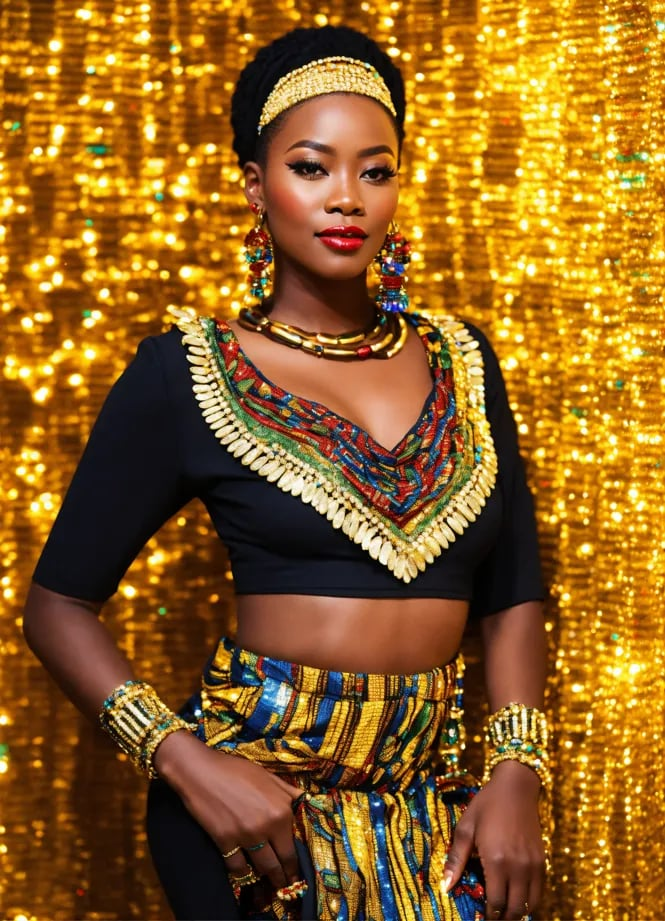
African ethnic wear is incredibly diverse, reflecting the rich cultures of the continent:
- Kente Cloth: Originating from Ghana, Kente cloth is a brightly colored woven fabric often worn during special occasions and ceremonies.
- Dashiki: A loose-fitting shirt with a colorful pattern, the dashiki is worn by both men and women, often paired with matching pants or skirts.
6. Western Ethnic Wear
In the Western context, ethnic wear can refer to traditional clothing from various cultures:
- Scottish Kilt: The kilt is a knee-length skirt-like garment with pleats at the back, traditionally worn by men in Scotland.
- Mexican Huipil: A traditional tunic made from cotton or wool, often decorated with intricate embroidery representing various indigenous cultures.
Choosing the Right Ethnic Wear Dress
When selecting ethnic wear, several factors come into play:
- Occasion: The occasion will dictate your choice of ethnic wear. For weddings and formal events, opt for intricate and embellished outfits like sarees or lehengas. For casual gatherings, a simple kurta or shalwar kameez may suffice.
- Body Type: Choose styles that flatter your body shape. For example, A-line silhouettes are great for pear-shaped bodies, while straight-cut outfits work well for slender figures.
- Fabric: The choice of fabric is crucial for comfort and style. Lightweight fabrics like cotton and linen are ideal for summer, while heavier fabrics like silk and brocade are perfect for winter or formal occasions.
- Color: Consider colors that complement your skin tone. Bright and vibrant colors can enhance your look, while pastel shades offer a softer appearance.
- Personal Style: Ultimately, your ethnic wear should reflect your personal style. Whether you prefer traditional or contemporary designs, choose outfits that make you feel confident and comfortable.
Styling Tips for Ethnic Wear
To enhance your ethnic look, consider the following styling tips:
- Accessorize Wisely: Ethnic wear often looks stunning with the right accessories. Consider statement jewelry, traditional bangles, or ornate earrings that complement your outfit.
- Footwear Matters: Pair your ethnic wear with suitable footwear. Traditional juttis, mojris, or embellished sandals can elevate your look.
- Experiment with Makeup: Your makeup should complement your ethnic wear. Bold lip colors and defined eyes can enhance your overall appearance.
- Drape and Fit: Ensure that your ethnic wear is well-fitted. Pay attention to draping techniques, especially with sarees, to achieve a polished look.
- Layering: Don’t hesitate to layer your outfits. Adding a dupatta, shawl, or jacket can enhance the look and provide versatility.
The Evolution of Ethnic Wear
Ethnic wear is continuously evolving. Designers are now blending traditional styles with contemporary fashion trends, creating unique and modern interpretations of ethnic clothing. This fusion of styles allows individuals to express their identity while embracing cultural roots.
Ethnic Wear in Contemporary Fashion
- Fusion Fashion: Modern ethnic wear often combines traditional garments with Western styles. For instance, a saree may be paired with a crop top, or a kurta can be worn with jeans for a chic look.
- Sustainable Fashion: With the growing focus on sustainability, many designers are using organic materials and supporting local artisans. This approach not only promotes eco-friendly practices but also helps preserve traditional craftsmanship.
- Global Influence: Ethnic wear is gaining popularity worldwide, with people embracing styles from various cultures. This global influence allows for a rich exchange of ideas and aesthetics in fashion.
Conclusion
Ethnic wear is more than just clothing; it represents culture, history, and identity. It plays a vital role in celebrating diversity and showcasing the beauty of traditional craftsmanship. With various styles and types available, there’s something for everyone, regardless of occasion or personal preference.
Whether you’re attending a wedding, celebrating a festival, or simply looking to embrace your cultural heritage, ethnic wear allows you to express your individuality while honoring your roots. So, explore the vibrant world of ethnic wear, experiment with styles, and wear your culture with pride!